 Pule Estate
19/03/2026
Pule Estate
Slovenia has all the conditions to become one of Europe’s leading equestrian tourism destinations—yet this potential remains largely underutilized. Horses are deeply rooted in our history, culture, and way of life, but as a tourism product, equestrianism is still fragmented, underdeveloped, and often lacking ambition.
In Slovenia, the horse is not just an animal—it is part of our identity. Historically, horses played a key role in the development of rural life, agriculture, and transport. This connection is still strongly present today, especially in regions like Dolenjska.
A major symbol of this heritage is Lipica, the cradle of the Lipizzan horse—one of the most admired and recognizable breeds in the world. This is a globally relevant story that could serve as the foundation for a strong national equestrian tourism identity.
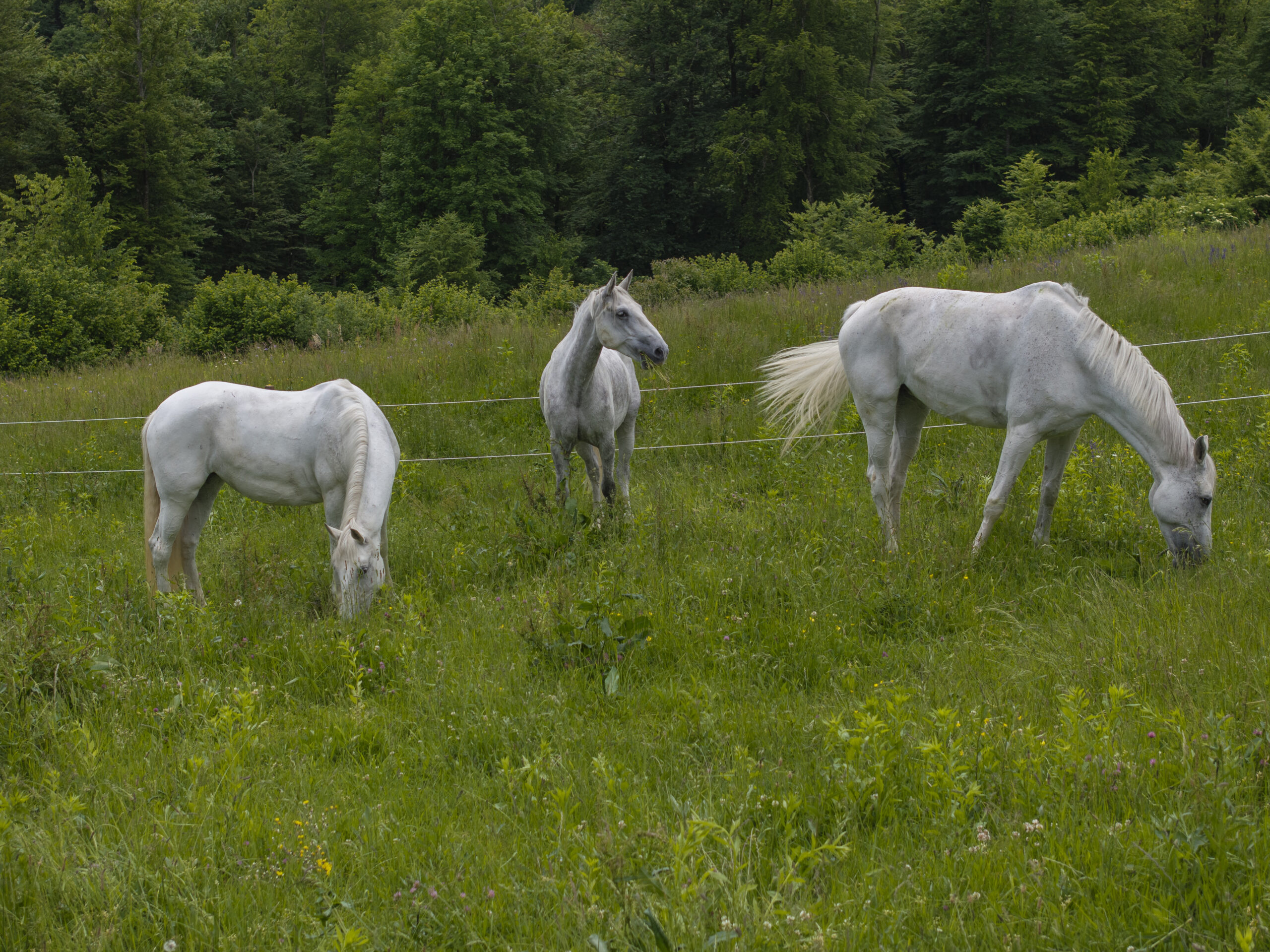
Equestrian tourism is not mass tourism—and that is precisely its strength. It is a niche product designed for people for whom horses are a way of life. Much like golfers who travel the world in search of exceptional courses, horse enthusiasts seek destinations where they can live their passion at the highest level.
These guests are not casual travelers. They are highly targeted, experience-driven visitors looking for authenticity, quality, and depth. As such, equestrian tourism has the potential to generate high added value while remaining sustainable and respectful to nature.
Slovenia offers extraordinary natural diversity—from forests and rolling hills to wine regions—making it ideal for high-quality trail riding experiences. This variety allows guests to explore different landscapes within a relatively small area.
Equally important is Slovenia’s authenticity. Rural traditions are still alive, and in many areas, closely connected to horses. This enables the creation of genuine, boutique experiences that today’s travelers increasingly seek.
Equestrian tourism also contributes to rural development. It connects local stakeholders—farmers, winemakers, artisans—and encourages a more dispersed, sustainable economic model. Guests come not only to ride but to experience local life, cuisine, and culture.
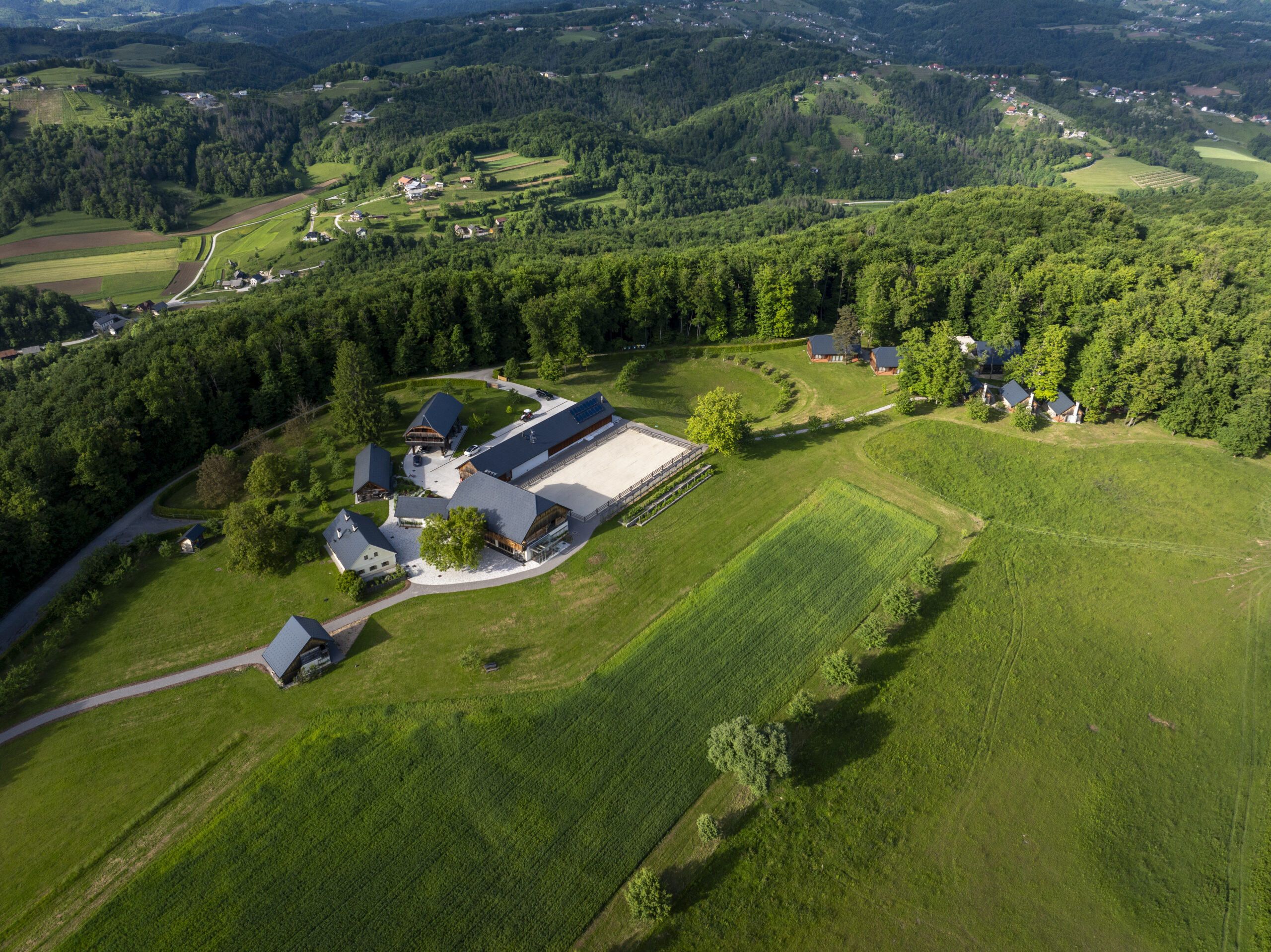
Alongside tradition, a new generation of providers is emerging with a more refined and exclusive approach to equestrian tourism. One such example is Pule Equestrian Estate, which represents a boutique, premium concept where horses are not an add-on, but the core of a carefully designed experience.
At Pule, equestrian tourism is built around quality, personalization, and authenticity—combining trail riding, connection with horses, local culture, gastronomy, and high-end accommodation. This type of concept shows the direction in which Slovenian equestrian tourism could evolve: fewer mass offers, more curated, meaningful experiences.
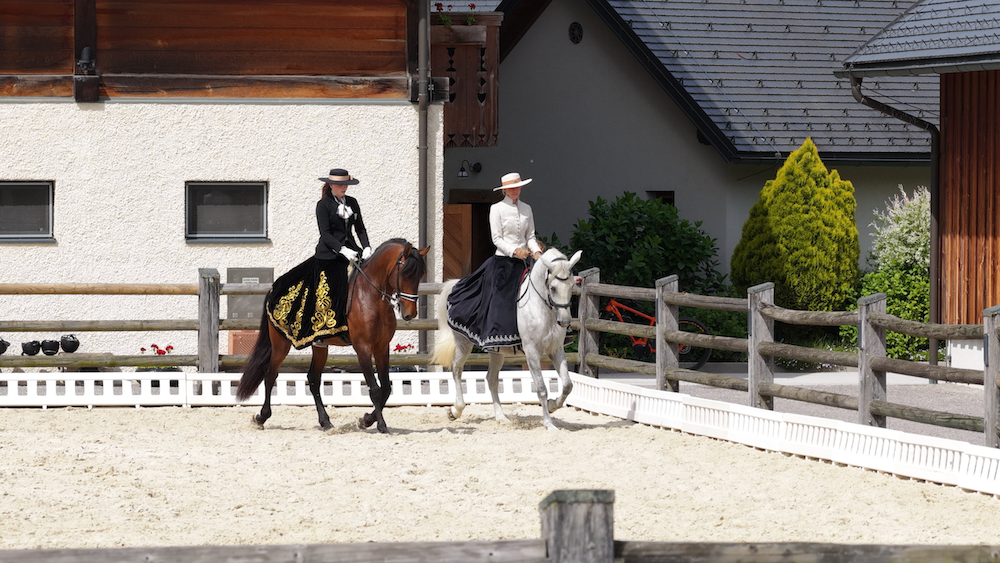
Despite all these advantages, the biggest issue remains the fragmentation of the sector. Many small providers operate independently, often without a clear tourism vision. Most originate from traditional farms that have transitioned into equestrian activities, focusing primarily on riding schools, horse boarding, and occasional tourist rides.
What is missing:
a unified national strategy and promotion,
stronger collaboration between providers,
high-end, integrated tourism products,
quality accommodation connected to equestrian experiences.
As a result, Slovenia does not present itself as a cohesive or recognizable equestrian destination on the international market.
One key opportunity lies in developing regional equestrian trails, designed for both riding and carriage driving. These trails could connect different providers—accommodation, gastronomy, local experiences—and enable multi-day journeys across regions. This would naturally stimulate dispersed local development and strengthen cooperation between stakeholders.
Equestrian tourism in Slovenia has a very promising future—but only if it is built on:
collaboration between providers,
development of premium, boutique products,
a clear national strategy and positioning,
respect for nature, animals, and local communities.
We need fewer isolated efforts and more shared, ambitious stories.
If Slovenia succeeds in connecting its tradition, natural beauty, and modern tourism approach, it can become one of Europe’s most unique equestrian destinations. The potential is there—now it is time to fully realize it.